Introduction
Climate change is one of the most urgent challenges of our time, and art has emerged as a powerful tool to address it. Eco-art, also known as environmental art, blends creativity with activism, drawing attention to ecological crises and imagining more sustainable futures. Unlike traditional landscape painting, which often romanticized nature, eco-art directly engages with the realities of pollution, deforestation, rising seas, and endangered species.
In an era where scientific data often fails to move hearts, eco-art bridges the gap between fact and feeling. It invites audiences to see, feel, and reflect on humanity’s relationship with the planet. Through installations, performances, sculptures, and community projects, eco-art is reshaping how we understand both art and environmental responsibility.
Roots of Eco-Art
Eco-art has its origins in the land art movement of the 1960s and 70s, when artists like Robert Smithson and Nancy Holt created massive earthworks that reshaped landscapes. While not always explicitly environmental, these works emphasized nature as both medium and subject.
By the late 20th century, as awareness of climate change grew, artists began using their practice to confront environmental degradation more directly. The eco-art movement emerged as a response to the ecological crisis, blending aesthetics with activism.
Forms of Eco-Art
Eco-art takes many forms, reflecting the diversity of environmental issues:
- Land Art: Large-scale interventions in landscapes, often using natural materials like soil, rocks, and plants.
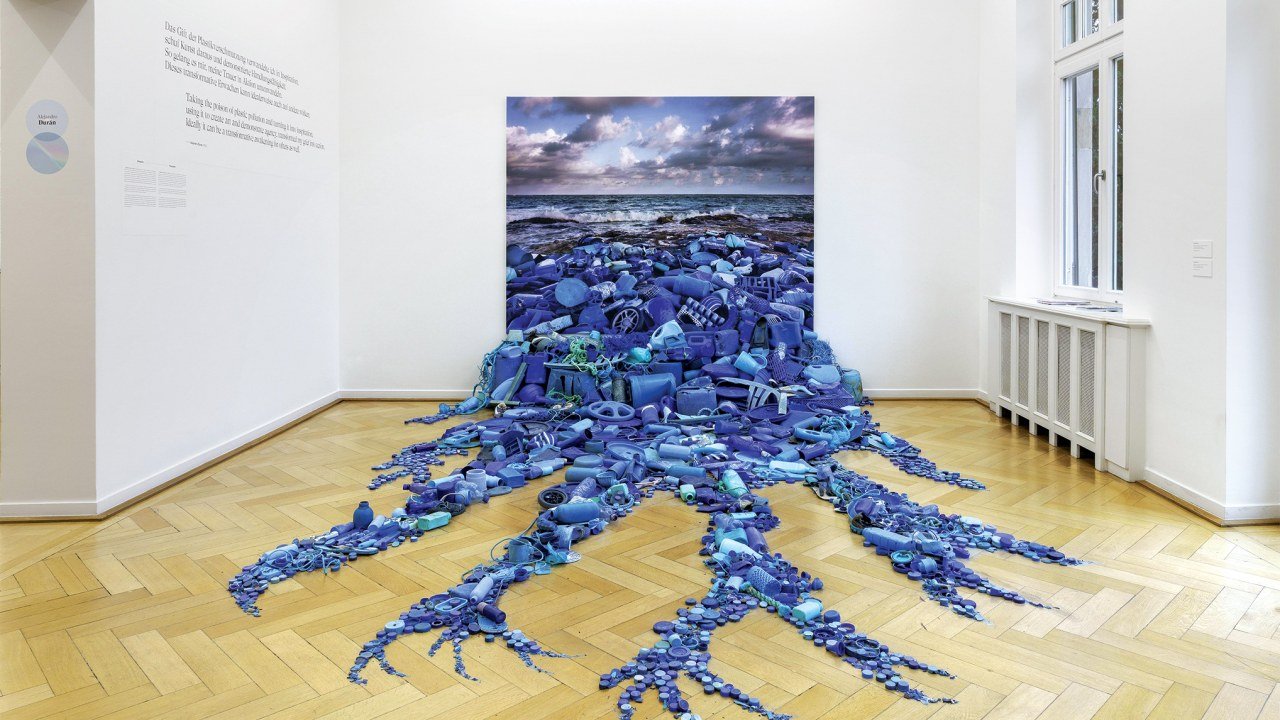
- Recycled Art: Works created from discarded or found materials, highlighting waste and consumer culture.
- Community-Based Projects: Collaborative artworks involving local communities to restore ecosystems or raise awareness.
- Digital Eco-Art: Interactive or virtual works that simulate environmental scenarios or visualize climate data.
This diversity ensures that eco-art resonates across cultures and contexts, from rural land projects to urban installations.
Artists Leading the Way
Several contemporary artists are at the forefront of eco-art:
- Olafur Eliasson: His installations often address climate themes, such as Ice Watch, which brought massive blocks of melting Greenland ice to city squares.
- Agnes Denes: Known for Wheatfield – A Confrontation (1982), where she planted a wheatfield in Manhattan, challenging notions of urban development and food security.
- Maya Lin: Blends art, science, and activism in works that map threatened ecosystems and advocate for conservation.
- Chris Jordan: Uses photography and digital composites to reveal the scale of consumer waste and pollution.
These artists demonstrate how eco-art can provoke reflection, inspire change, and create dialogue between communities and the environment.
Eco-Art as Activism
Eco-art goes beyond representation—it is often activism in itself. By planting trees, cleaning polluted sites, or repurposing waste, eco-artists directly contribute to environmental restoration. Their works are both symbolic and practical, blending aesthetics with tangible ecological benefits.
Community participation is key. Many eco-art projects involve collaboration with local residents, scientists, and activists, turning art into a collective effort for sustainability.
Challenges and Criticisms
Eco-art is not without challenges. Some critics question whether art can meaningfully impact environmental policy or behavior. Others point out the irony of resource-heavy installations that may themselves contribute to waste or carbon emissions.
Nonetheless, eco-art’s strength lies in its emotional and symbolic power. It may not solve climate change, but it shifts perspectives, making abstract issues visible and urgent.
Eco-Art in the Digital Age
Technology has expanded eco-art’s possibilities. Digital simulations, data visualizations, and augmented reality experiences allow artists to illustrate climate impacts in immersive ways. For example, AR apps can show users how rising sea levels might transform their neighborhoods, blending science with artistry.
Social media amplifies eco-art’s reach, spreading awareness globally and mobilizing audiences beyond physical installations.
Why Eco-Art Matters
Eco-art matters because it makes climate change personal. Scientific reports can feel distant, but a melting ice block in your city square or a mural made of plastic waste confronts viewers directly. Eco-art engages the senses, emotions, and imagination, encouraging both awareness and action.
In many ways, eco-art redefines the role of the artist. No longer just a creator of objects, the eco-artist is also an activist, educator, and community organizer.
Conclusion
Eco-art is more than an art movement—it is a call to action. By confronting environmental destruction and imagining alternatives, artists help society grapple with the most pressing issue of our time. Their works remind us that art is not separate from life but deeply connected to the health of the planet.
As climate change accelerates, eco-art will only grow in importance. It challenges us to rethink our relationship with nature, reminding us that creativity can be a force for survival, resilience, and renewal.
