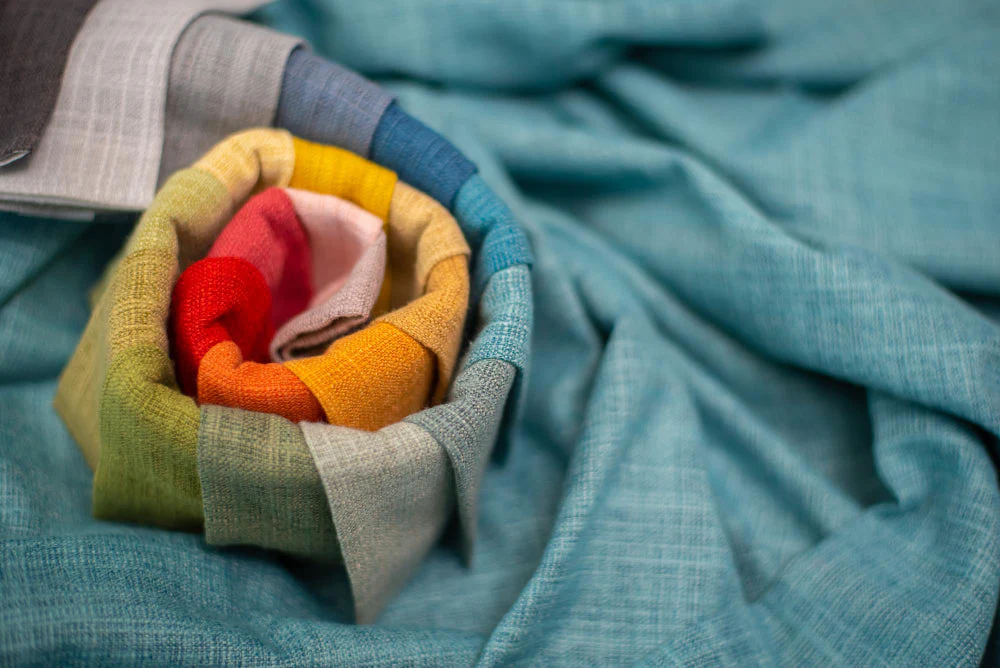
The Importance of Fabrics in Fashion
In fashion, fabrics are the foundation of style. While cuts, colors, and trends shift over time, the choice of material determines how garments look, feel, and last. Nowhere is this more evident than in European fashion, where fabrics and textures have always been the heart of timeless elegance. From the silk workshops of Lyon to the wool mills of Scotland and the leather artisans of Italy, Europe’s legacy of textile mastery has shaped global fashion for centuries.
A Legacy of Craftsmanship
Europe’s fashion reputation is not only built on design but also on craftsmanship. Generations of artisans have specialized in weaving, dyeing, and finishing fabrics, elevating materials to an art form. French silks, Italian leathers, Scottish tweeds, and Spanish linens are more than textiles—they are cultural expressions of heritage. This tradition continues to influence modern fashion, where designers still seek out these fabrics for their superior quality and prestige.
French Silks and Lace
France, particularly Lyon, has been the epicenter of silk production since the Renaissance. French silks are known for their luxurious sheen and smooth texture, often used in haute couture gowns and high-end accessories. Alongside silk, French lace from regions like Chantilly and Calais has become synonymous with delicacy and refinement. These materials embody elegance and femininity, making them staples in both bridal and evening wear.
Italian Leather and Cashmere
Italy’s contribution to fabrics is unmatched, with leather and cashmere at the forefront. Italian leather, produced in Tuscany and other regions, is prized for its durability, softness, and craftsmanship. It is the material of choice for handbags, shoes, and jackets that last a lifetime. Italy is also home to some of the world’s finest cashmere producers, turning natural fibers into luxurious knits that combine warmth with elegance. These fabrics reflect Italian style—bold, sensual, and timeless.
Scottish Tweed and Wool
Scotland’s tweed and wool fabrics have a rugged yet sophisticated charm. Tweed, often associated with the Scottish Highlands, is woven from wool and known for its warmth and durability. It has transitioned from rural utility to high fashion, embraced by designers worldwide. Wool production in Scotland is also renowned for its quality, producing fabrics that are both functional and stylish. Tweed blazers and wool coats remain timeless wardrobe staples.
Spanish Linens and Embroidery
Spain’s fashion history is deeply tied to linen production, especially in Galicia and other regions. Spanish linen is lightweight, breathable, and perfect for warmer climates, making it a staple in summer collections. The country also has a long tradition of intricate embroidery, adding texture and artistry to garments. Spanish fabrics highlight the balance between practicality and ornamentation, proving that everyday wear can also be deeply expressive.
The Role of Textures in Style
Beyond the origin of fabrics, textures themselves play a crucial role in shaping fashion. A velvet blazer communicates luxury and formality, while a linen dress signals ease and casual elegance. Leather adds edge and strength, while lace brings delicacy and softness. European fashion thrives on mixing textures to create depth and contrast within outfits. The careful pairing of fabrics transforms simple clothing into timeless ensembles.
How Fabrics Shape Timeless Outfits
Timeless fashion often relies less on trends and more on fabric quality. A well-tailored wool coat or a silk blouse can be worn year after year without losing appeal. Unlike synthetic fast-fashion materials, natural and artisanal European fabrics are designed to endure. Their durability, combined with elegant design, ensures that outfits made from them remain relevant across generations. Fabric is the silent storyteller of fashion, carrying heritage and craftsmanship into modern wardrobes.
Sustainability and Fabric Choices
Today, sustainability has become a global concern, and European fabric traditions align naturally with this movement. Many European textile producers prioritize eco-friendly methods, such as organic farming of cotton or ethical sourcing of wool. The emphasis on durability also reduces waste, as garments made from high-quality fabrics last longer. Choosing European textiles is not just about luxury—it is also about supporting sustainable practices that honor both people and the planet.
The Psychology of Texture
Textures in clothing do more than appeal visually; they also influence emotion and perception. Wearing soft cashmere evokes comfort and warmth, while structured tweed communicates confidence and authority. Smooth silks feel sensual and refined, while rugged leather embodies strength. By selecting fabrics thoughtfully, individuals not only craft stylish outfits but also shape how they feel and are perceived. Textures add silent layers of meaning to personal style.
Incorporating European Fabrics Into Everyday Wear
You do not need a designer wardrobe to enjoy European fabrics. A single statement piece—a leather handbag, a wool blazer, a silk scarf—can elevate an entire look. These items blend easily with contemporary wardrobes while adding a touch of timeless elegance. Investing in high-quality fabrics may seem costly at first, but the longevity and versatility of these items make them valuable additions to any closet.
Designers and Their Use of Fabrics
European designers have always emphasized fabrics as central to their work. Chanel popularized tweed in women’s fashion, while Dior and Valentino continue to use French silks and laces in couture collections. Italian brands like Gucci and Prada highlight leather in bold, innovative ways. These designers understand that the fabric itself is often as important as the cut or color. Through their work, they preserve Europe’s textile legacy while continually reimagining it.
Conclusion: The Fabric of Timeless Style
European fabrics and textures are the hidden secrets behind timeless fashion. They carry centuries of craftsmanship, embody cultural heritage, and elevate everyday clothing into art. Whether it is the sensual touch of Italian leather, the warmth of Scottish wool, or the delicacy of French lace, these fabrics transcend trends and seasons. By embracing quality textiles, individuals not only dress stylishly but also connect to a deeper tradition of artistry and sustainability. Timeless fashion begins with timeless fabrics—and Europe has always been their greatest storyteller.
